
Clerkenwell Design Week 2025: What Caught Our Eye
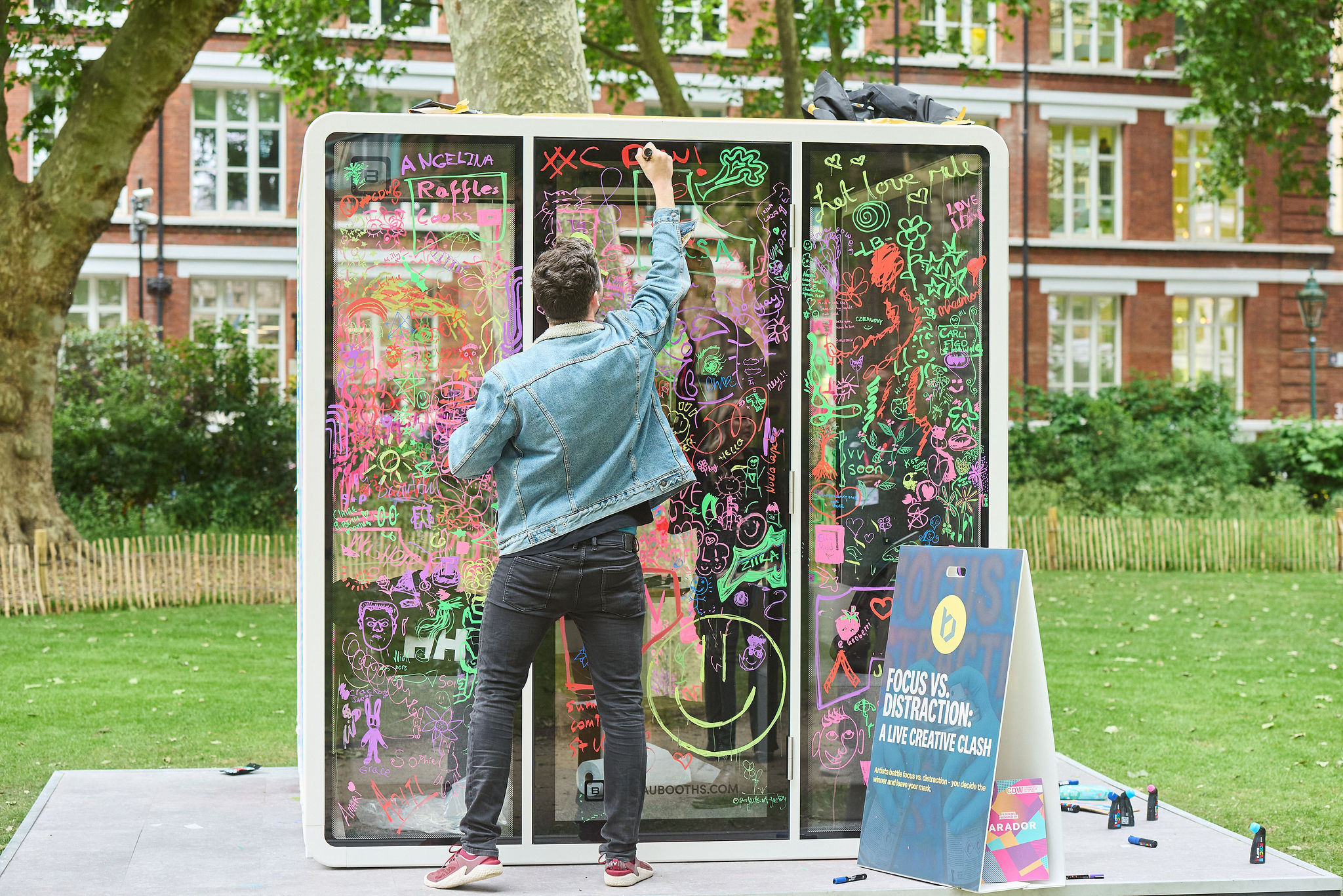
Clerkenwell Design Week returned with fresh energy this year, drawing designers, makers, and curious minds into the heart of London for a thoughtful look at what’s next in interiors. We spent time in the showrooms and studios, listening, observing, and getting hands-on with emerging materials, colour, and furniture forms.
Here are five key trends we noticed across the festival — all pointing toward a more tactile, emotionally intelligent, and an environmentally conscious direction in design.
1. Earthy Tones
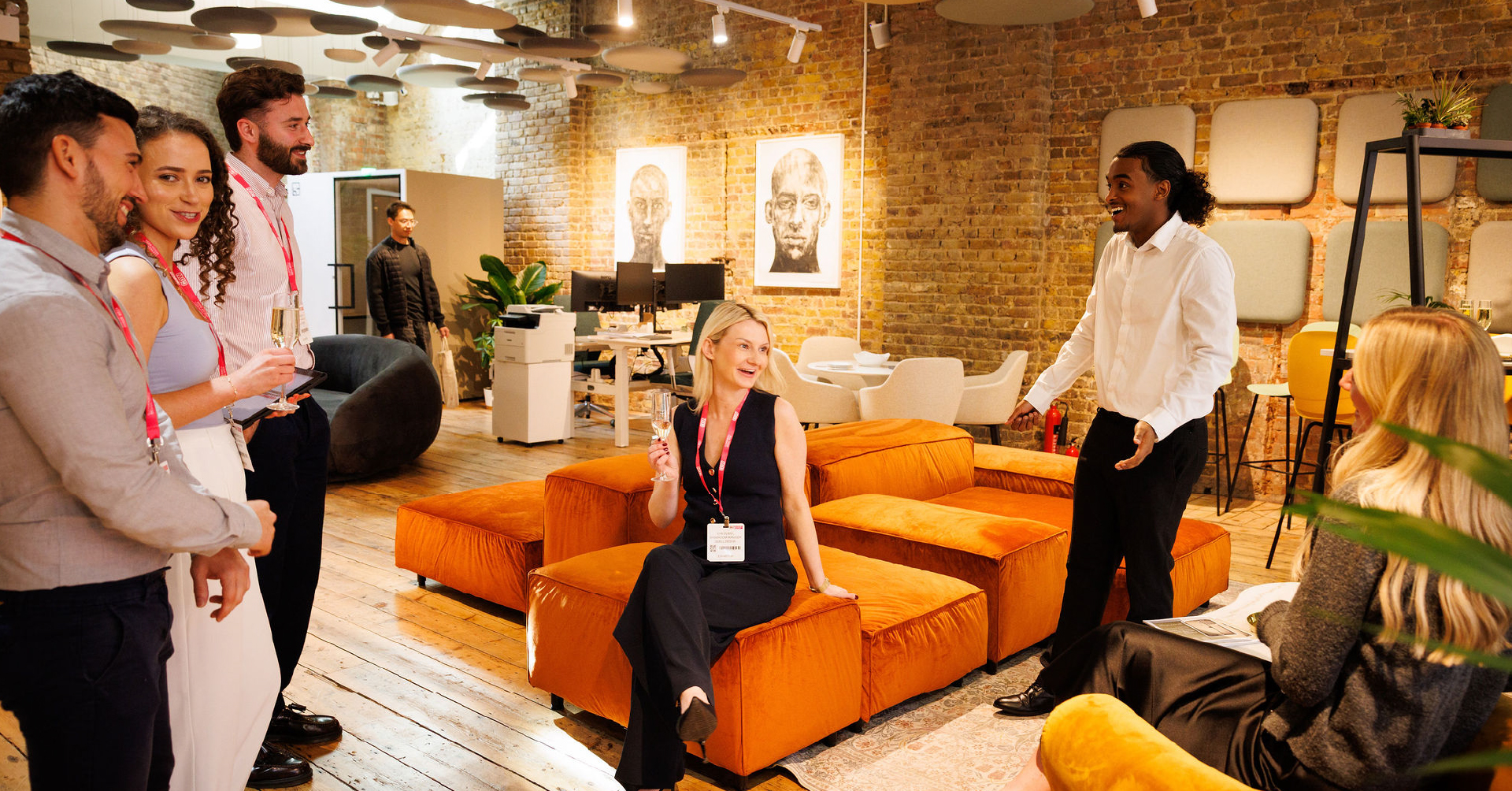
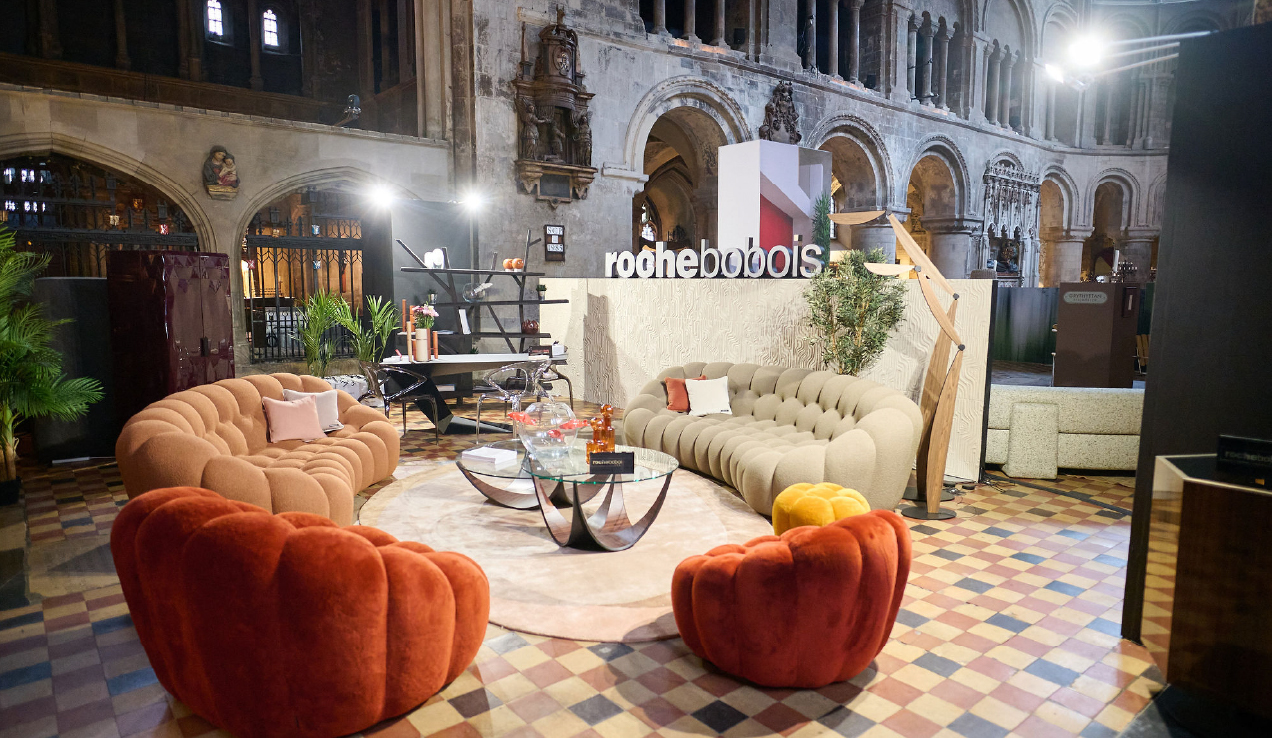
Colour palettes this year embraced depth and warmth. Cooler neutrals took a step back in favour of more saturated, grounded hues — think paprika, terracotta, raw sienna, and mocha brown. These tones were prominent across textiles, paint finishes, and tiles. Metalwork often muted and matt complimenting the richer tonal scheme.
Used in tonal layers, the effect felt understated yet inviting. It’s a palette that adds warmth without overwhelming, and pairs well with clean lines and contemporary forms.
2. Bolder Tactility
Texture played a central role — not as an accent, but as a core element. Bouclé remains strong but has evolved into something more exaggerated and sculptural. Chunky loops, thick weaves, and high-contrast textures invited touch and added real depth to surfaces.
It’s a reminder that good design isn’t only visual — it engages all the senses.
3. Play
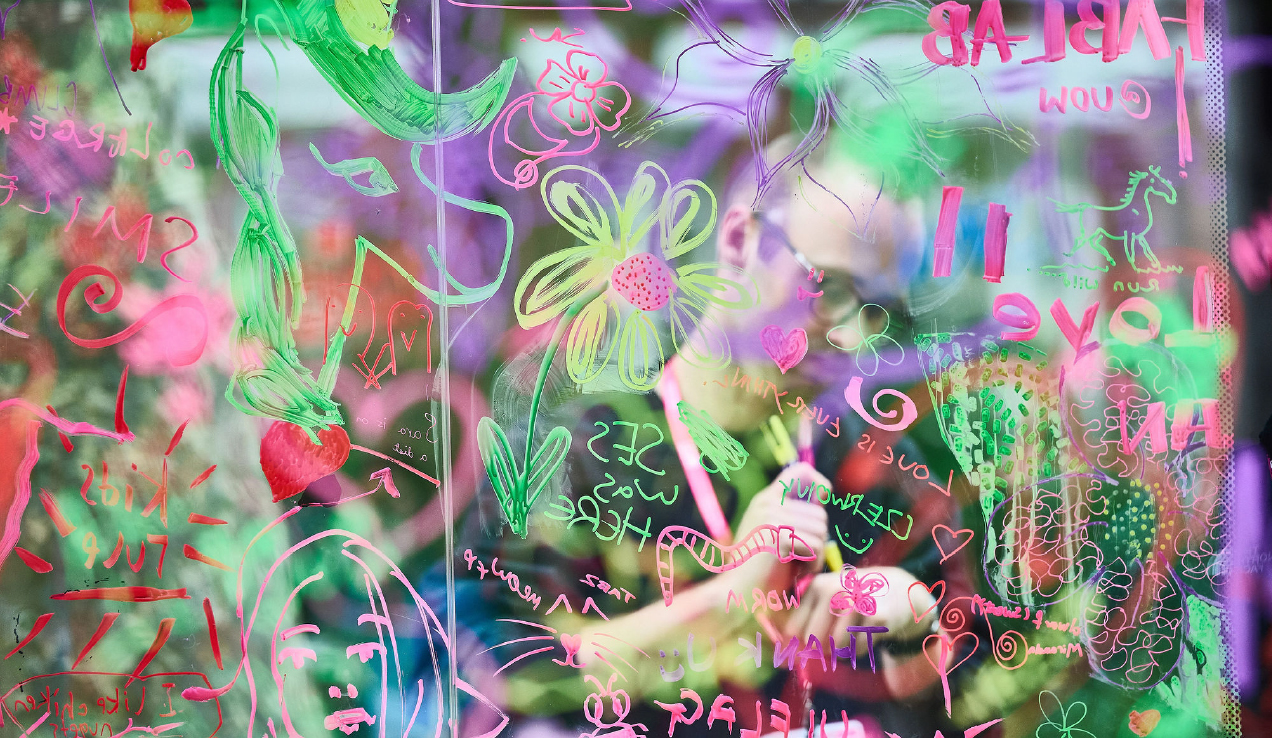
Encouraging connection, reimagining interaction and celebrating creativity within design, play featured throughout products, presentations and also commissioned sculptures. For example artist Alex Chinneck’s brick sculpture that drew crowds throughout the 3 day festival featuring. Built from 300m of reclaimed steel and 7,000 hand-glued bricks, Alex Chinneck’s sculpture at CDW was a feat of engineering disguised as play. Just 15cm thick and over 13m long, it curved with a lightness that defied its materials.
“The goal,” said Chinneck, “was to make something rigid feel like it’s moving.” Mission accomplished.
4. Soft Geometry
Furniture silhouettes continue to move away from sharp minimalism. Instead, we saw plenty of softened shapes: rounded corners, asymmetric curves, and plush forms.
This shift feels especially relevant for hybrid spaces, where comfort and function need to work together seamlessly. Furniture that calls for calm, with wellness and relaxation an undeniable consideration at the heart of the design.
5. Sustainability, Front and Centre
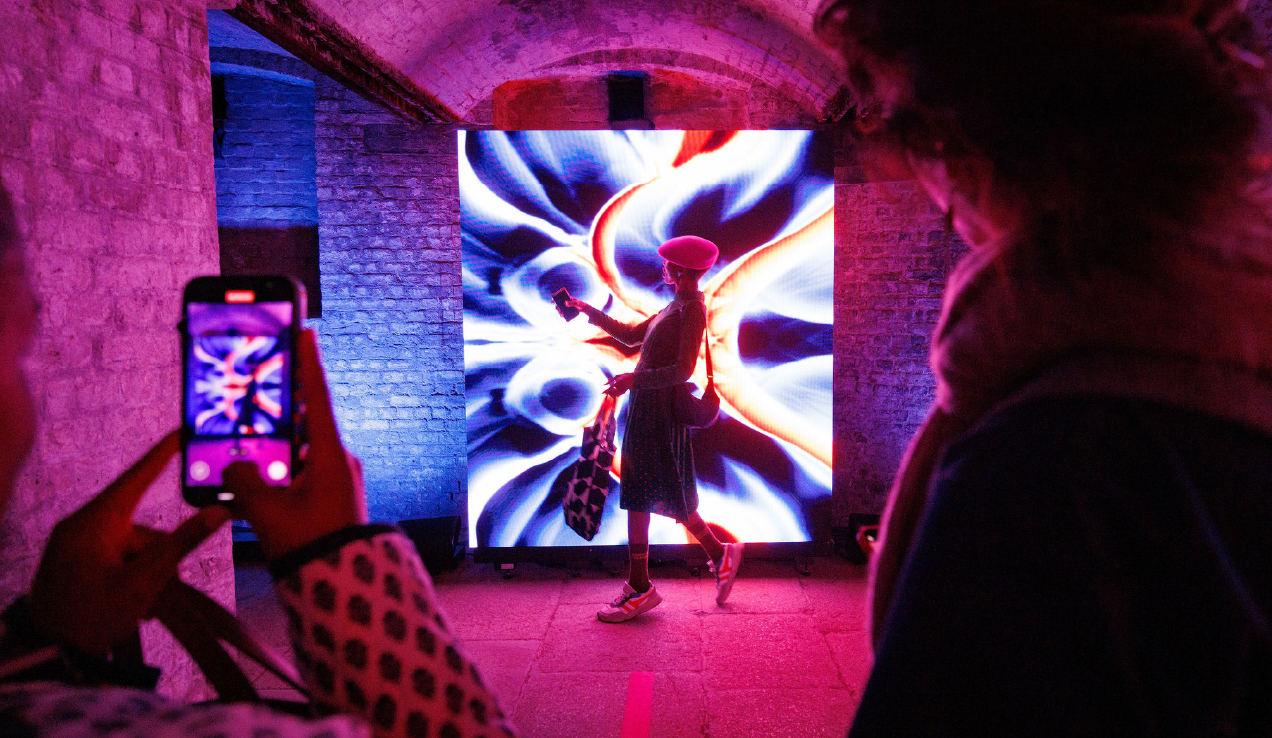
Clerkenwell 2025 reinforced that sustainability is now an expectation, not a novelty. What stood out was how confidently sustainable materials were integrated — recycled plastics, reclaimed fabrics, and bio-based foams were used not as secondary features but as core design elements.
Transparency, material origin, and circularity were part of the conversation, not hidden in the fine print.
6. Comfort as Priority
From enveloping armchairs to soft, sculptural seating, there was a clear focus on ergonomic comfort. Furniture invited you in, rather than simply making a visual statement. Materials like felted wool, velvet, and recycled cotton brought a tactile softness that felt both practical and emotive.
Looking Ahead
Across the board, there’s a clear shift toward design that feels more personal, considered, and sustainable. What stood out wasn’t just the aesthetics — it was the intent behind them. Thoughtful colour choices, transparent materials, and emotionally attuned design point to a future that’s more connected, both to people and the planet.
We left Clerkenwell feeling inspired — and with a sense that the most exciting part of design right now is its ability to connect with how we live, not just how things look.
