
Earning the Commute: Designing Offices People Actually Want to Travel For.
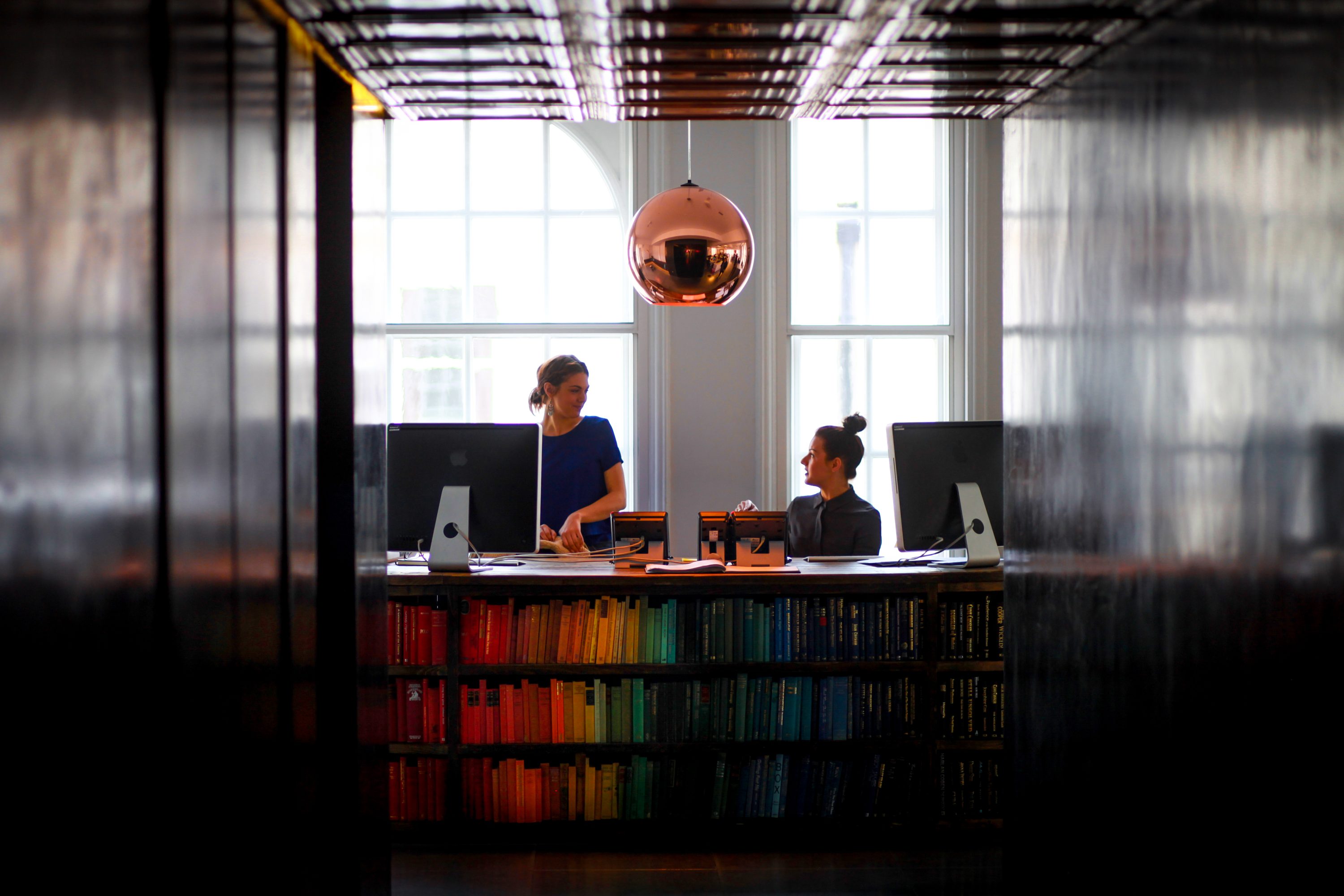
The office used to be the destination. Now, it has to be the reason.
For years, the question was simply whether employees should be in the office. Today, the more interesting question for London businesses is why they would want to be there.
Hybrid working has changed the equation. Employees have experienced the convenience of working from home, avoided the commute and discovered that plenty of everyday tasks can be done perfectly well from a kitchen table.
So, telling people to come in doesn’t necessarily make the office more valuable. If anything, it raises the bar. The modern workplace needs to offer something that home can’t.
The commute needs a return.
For many Londoners, getting to work isn’t a small commitment. It’s time on a train, a Tube, a bus or a combination of all three. That means the office needs to give something back.
Free coffee and good-looking furniture are nice, but they’re not a compelling reason to leave home. The workplaces that succeed will be those that make the journey feel worthwhile by offering better ways to work, collaborate, connect and focus.
It’s less about mandating attendance and more about creating an environment people naturally want to use. In other words, the office needs to earn the commute.

Designing for what home can’t provide
The answer isn’t necessarily to make the office feel more like home. Home already does that job rather well. Instead, businesses should think about what the workplace can do better.
A well-designed office can bring a team together around a table to solve a problem. It can provide high-quality meeting and presentation spaces for clients. It can offer technology that makes hybrid collaboration genuinely seamless. It can create quiet environments for focused work, alongside energetic spaces designed for conversation and creativity.These are the things that make physical presence valuable.
The most successful workplaces are becoming more varied, with different environments supporting different types of work. And that’s where magnet spaces come in.
What makes a space a magnet?
A magnet space is somewhere people are naturally drawn towards because it offers something useful, enjoyable or difficult to replicate elsewhere.
It could be a collaborative hub designed for team workshops. A hospitality-led lounge where informal meetings happen naturally. A beautifully equipped presentation space for client sessions. Or simply a quiet, acoustically considered environment where someone can properly concentrate.
The important thing is that these spaces aren’t gimmicks. They’re purposeful. A pool table might look impressive in a brochure, but a genuinely useful collaboration space can change how a team works every day.
The best workplace amenities aren’t there simply to make the office look exciting. They’re there because they solve a problem.
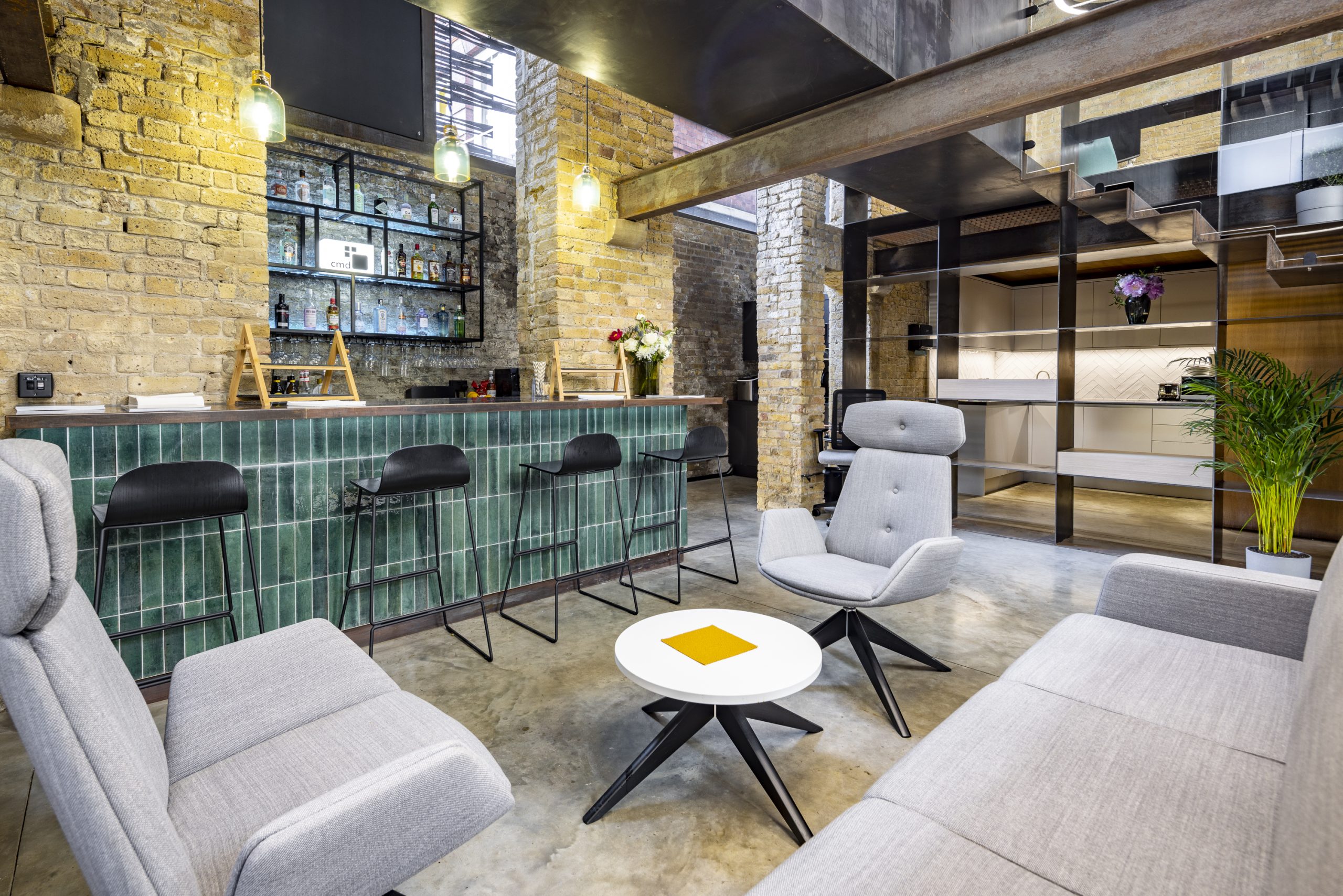
From desks to destinations
This is changing how we think about office fit-out. The old question was often:
How many desks can we fit into this space?
The better question now is:
What do our people need this space to help them achieve?
That shift can have a significant impact on the design.
Perhaps there are fewer individual workstations and more collaborative areas. Perhaps meeting spaces need to be more flexible. Perhaps the reception becomes a genuine hospitality experience rather than simply a place to check in. Perhaps acoustic zoning becomes as important as aesthetics. Every square metre should have a purpose. Not necessarily a fixed purpose, but a reason to exist.
Make people glad they came in
There is a subtle but important difference between an office people have to come to and one they want to come to. The first relies on policy. The second relies on experience. And experience can be designed.
For London businesses, this is an opportunity to rethink the workplace not as a backdrop to work, but as a tool for making work better. The goal isn’t to recreate home in the office, nor to fill the space with gimmicks and perks. It’s to create an environment that makes being together genuinely valuable. Because perhaps the best measure of a successful workplace isn’t attendance. It’s the feeling someone has when they arrive:
I’m glad I came in today.
That’s what it means to earn the commute.
